
Last updated November 2, 2026
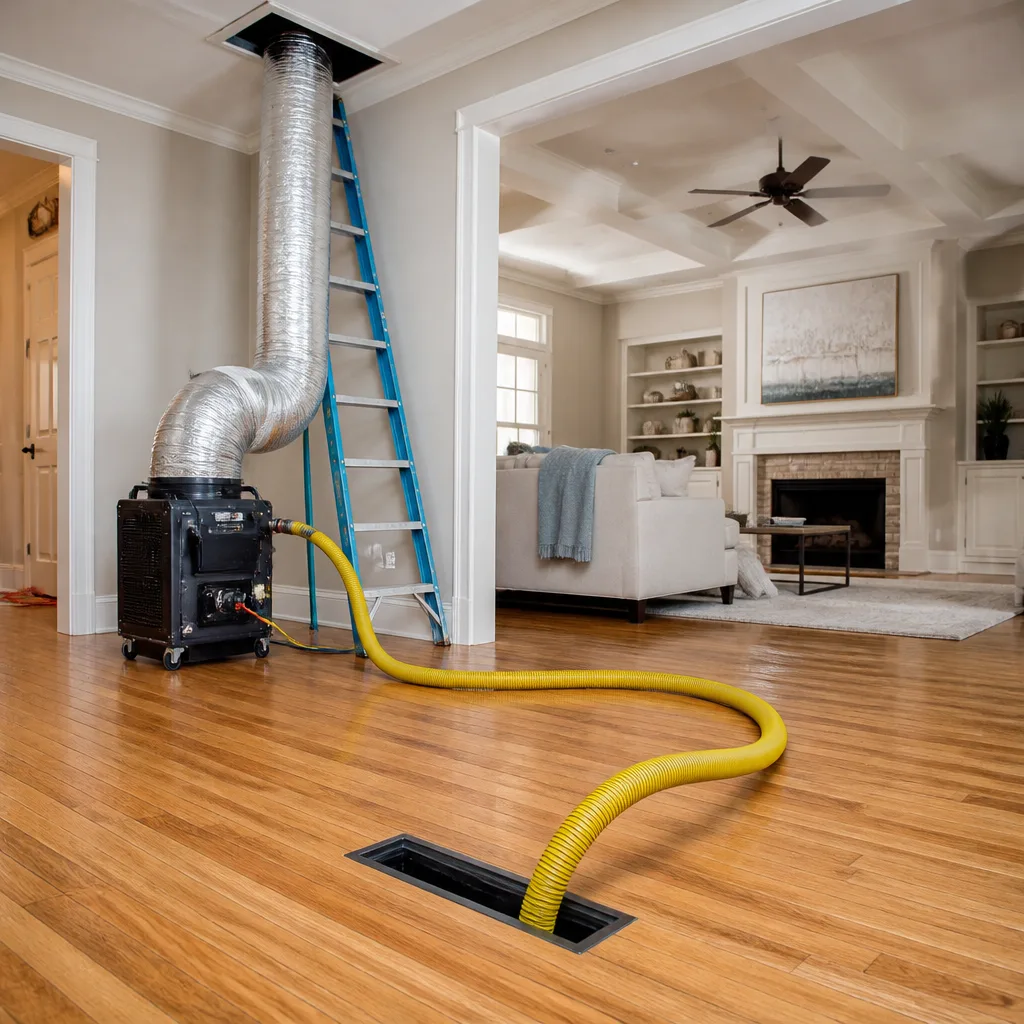 Whole-home duct cleaning
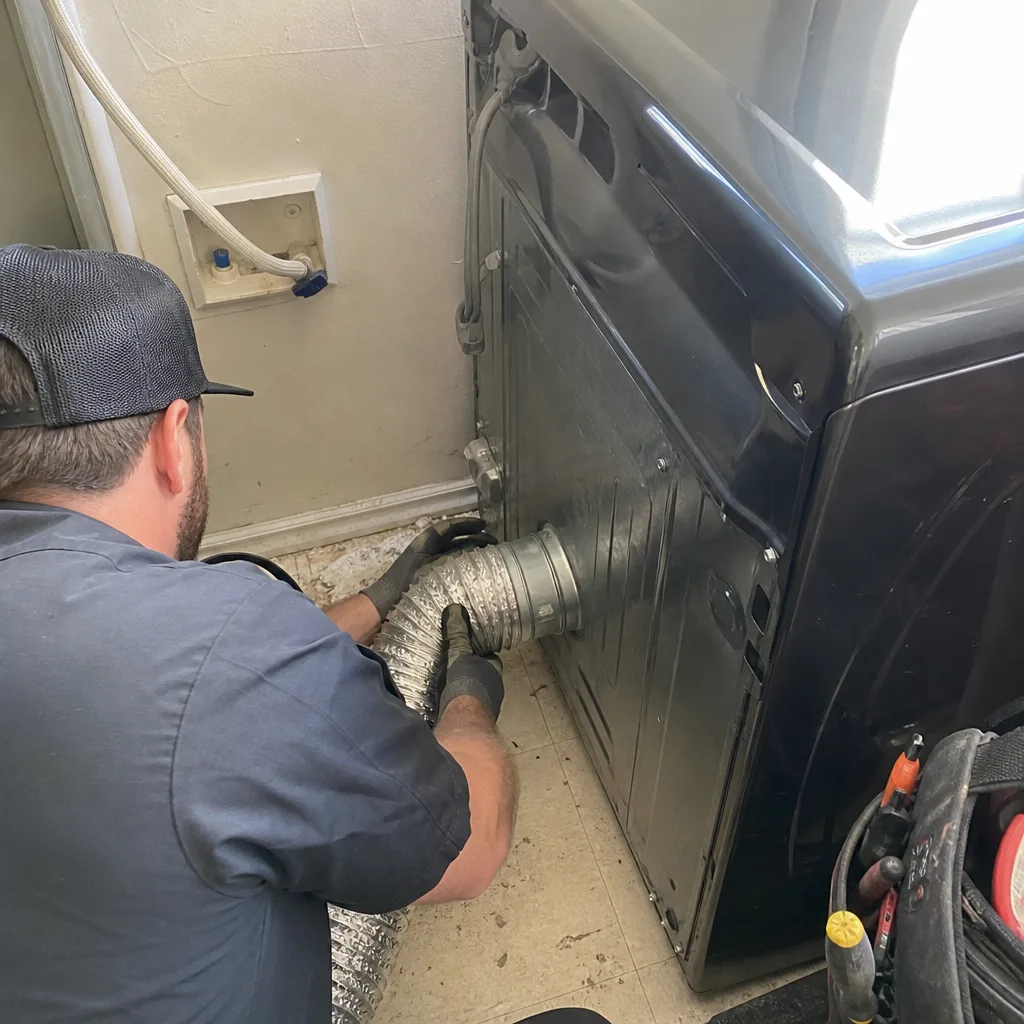
 Dryer vent cleaning
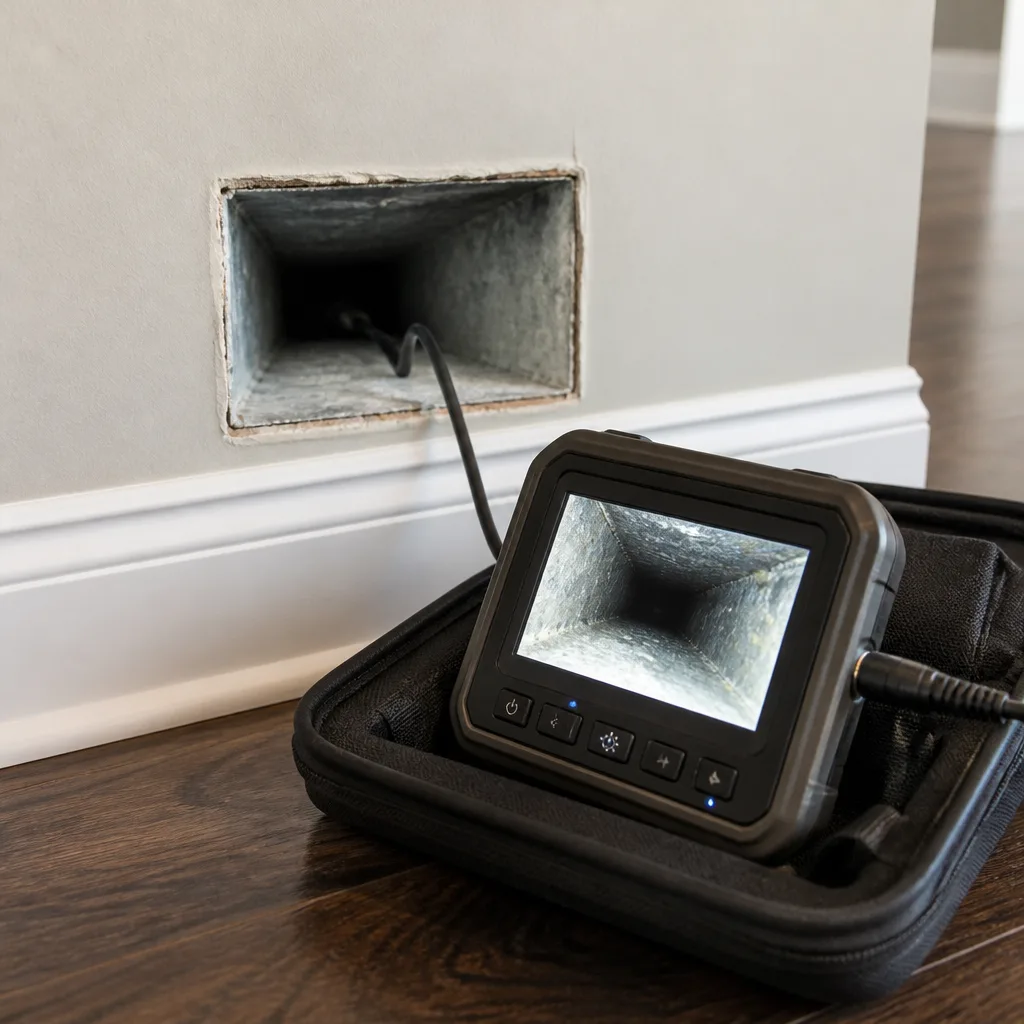 Camera inspection
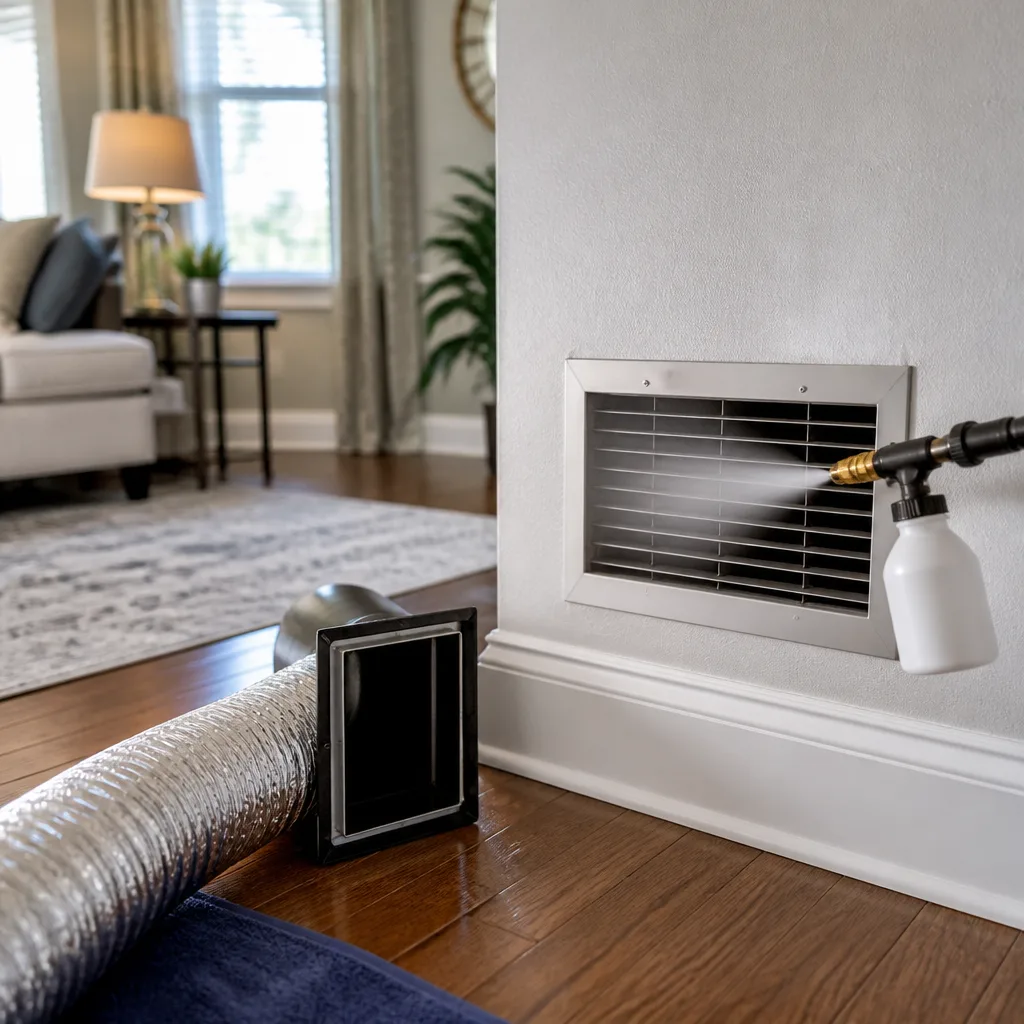 Sanitizing & deodorizing
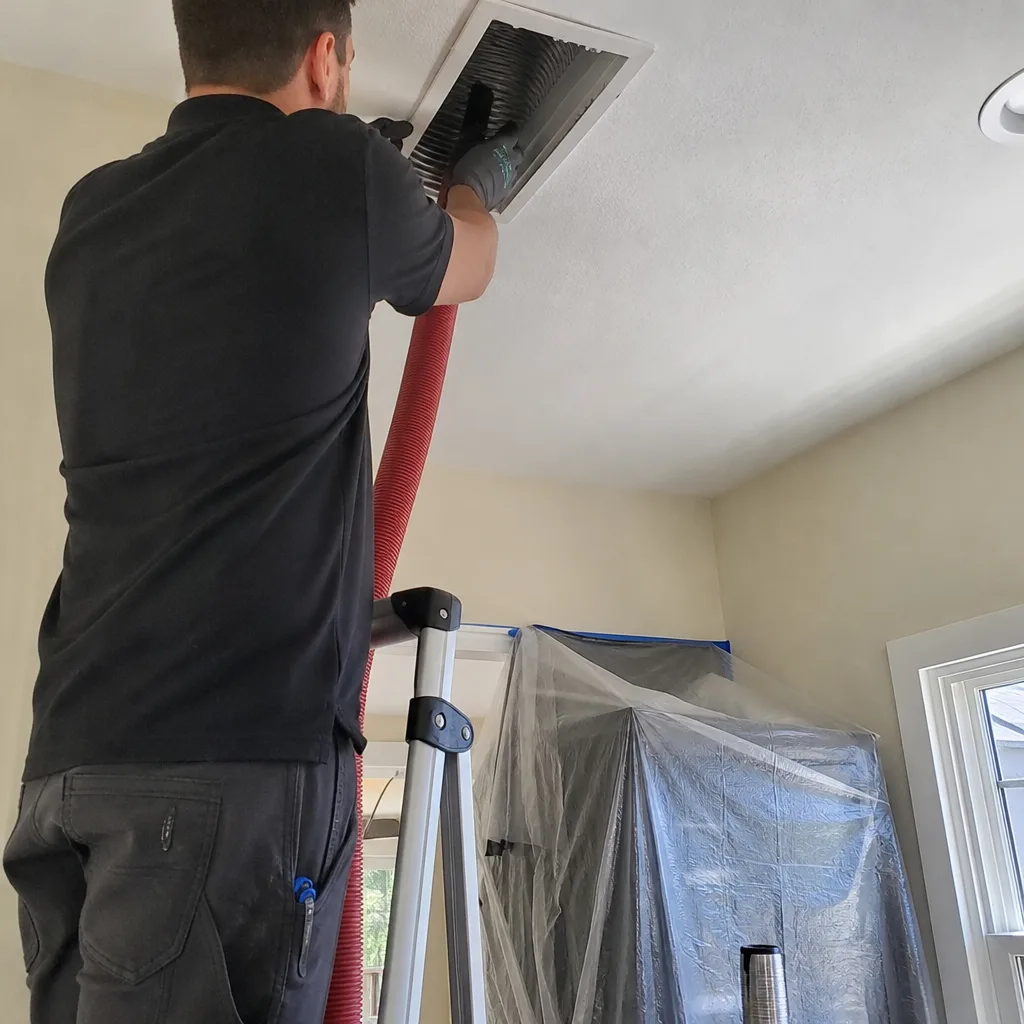
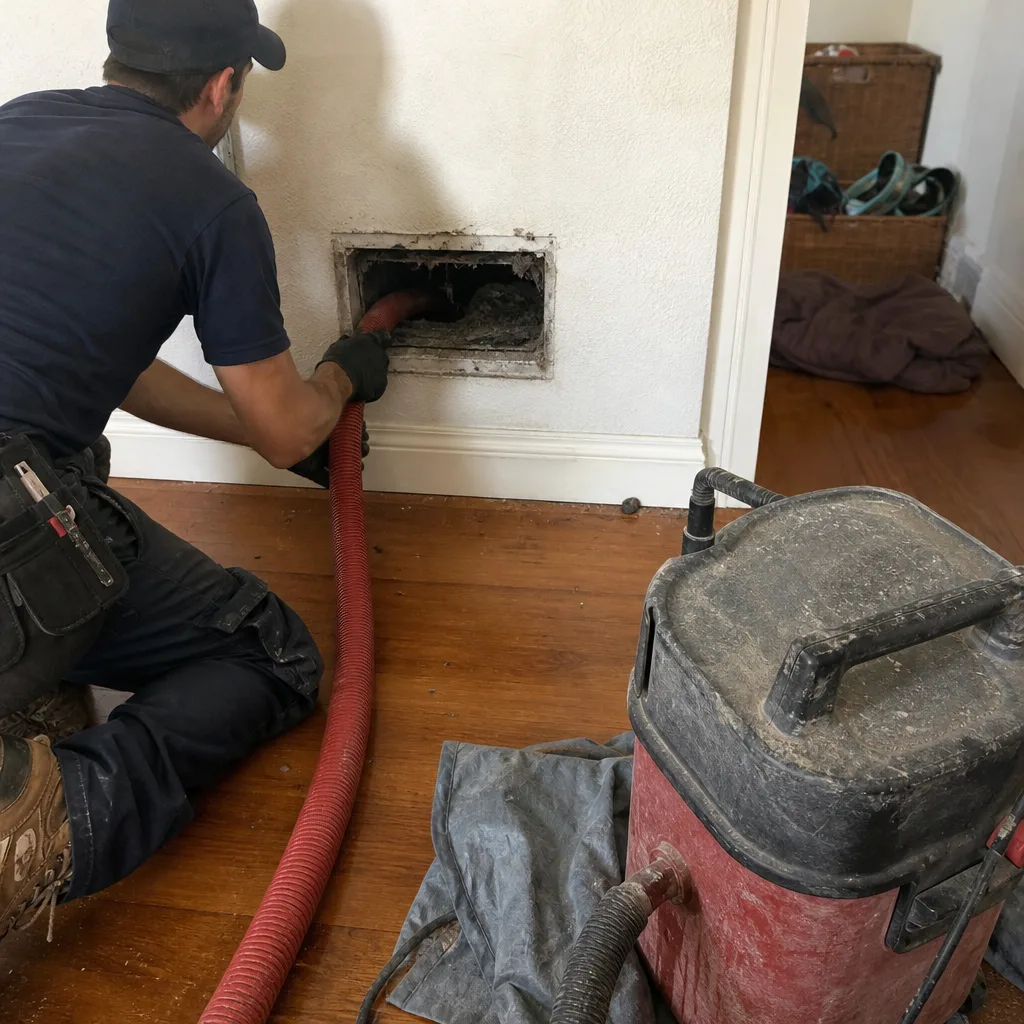
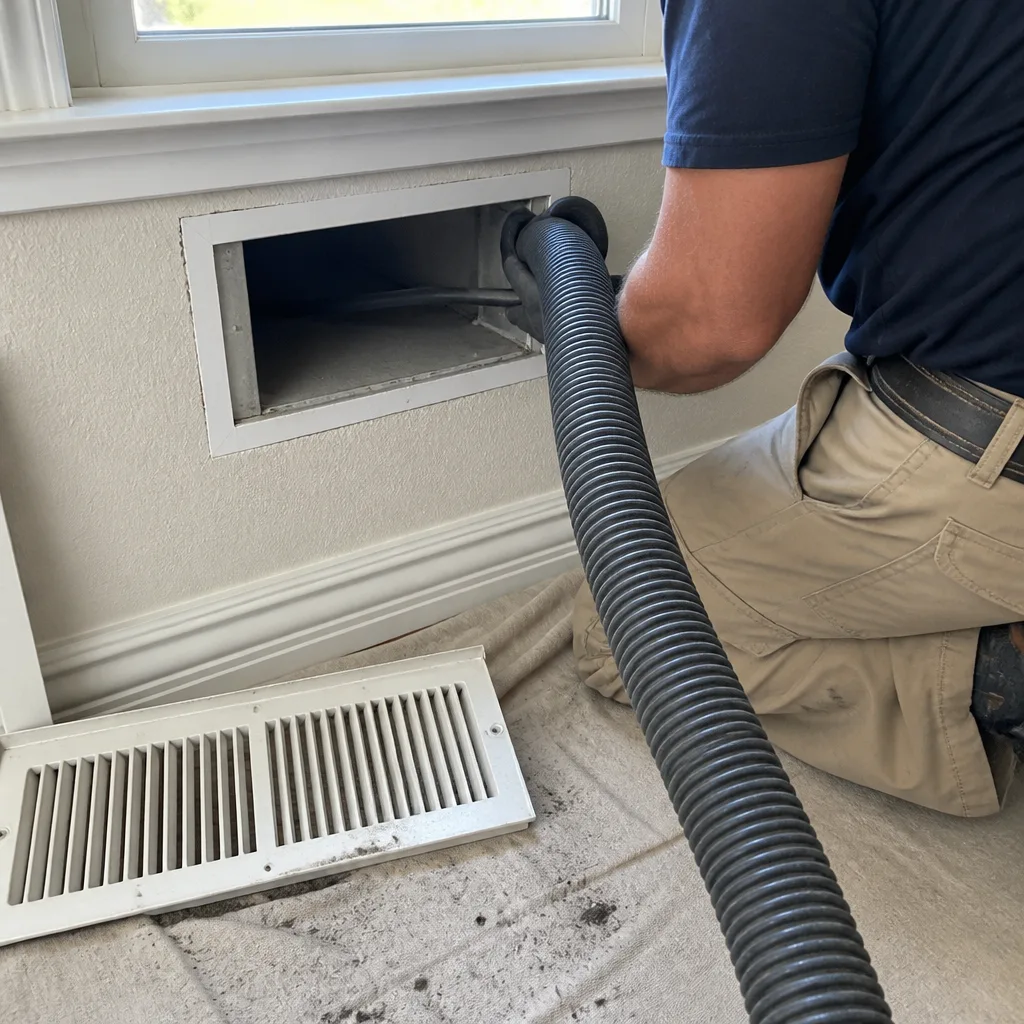
Whole-system duct and dryer vent check with before-and-after photos - you see exactly what came out of your vents
That "$99 whole-house special" is a bait ad - the real number appears once they are in your hallway, or the "clean" is a shop-vac at the register. We photograph the inside of your ducts before and after instead.
Air Duct Cleaning Maintenance Checklist for Encinitas Homeowners
The single biggest maintenance mistake Encinitas homeowners make isn’t skipping cleanings. It’s treating duct maintenance as one isolated task: call someone, get the ducts cleaned, check it off the list for three to five years. That approach misses what actually happens inside a coastal HVAC system. The ducts, the air handler, the registers, and the return plenum all degrade on different schedules, and in Encinitas those schedules are driven by marine layer humidity, Santa Ana wind events, and salt air corrosion. This guide gives you a month-by-month inspection protocol tied to the local calendar, with specific things to look for that a generic maintenance reminder never mentions. By the end, you’ll know what to check, when to check it, and when to bring in a duct specialist rather than reaching for the camera flash and hoping everything looks fine.
Quick Answer
A proper air duct maintenance checklist for Encinitas homes combines monthly visual checks at accessible registers, filter changes calibrated to MERV rating and local particulate load (typically every 60 to 90 days, not a blanket 90), and seasonal inspections tied to Santa Ana season, June Gloom humidity, and post-wildfire ash fall. The most important habit is documenting duct condition with phone photos at the same registers twice a year so you can spot degradation before it becomes a repair. For most Encinitas homes, a professional scope-and-clean cycle every 3 to 5 years, combined with these homeowner checks, is the right balance.
Styles & brands we work with
- Whole-home duct cleaning
- Dryer vent cleaning
- Camera inspection
- Sanitizing & deodorizing
Table of Contents
- Why Encinitas Ducts Degrade Differently
- The Monthly Homeowner Inspection Protocol
- Seasonal Checklist Anchored to the Encinitas Calendar
- Filter Change Intervals Calibrated to MERV Rating and Coastal Load
- Documenting Duct Condition with Your Phone Camera
- Warning Signs That Mean Professional Attention
- When Cleaning Alone Isn’t Enough: The Repair Factor
- Common Mistakes to Avoid
Why Encinitas Ducts Degrade Differently
Encinitas sits in a narrow coastal band where three environmental forces work against HVAC ducting year-round. First, marine layer humidity from June Gloom and overnight fog holds indoor relative humidity above 60 percent for stretches of spring and early summer, which promotes microbial growth on dust that accumulates inside duct walls. Second, salt-laden air from the Pacific accelerates corrosion on metal components: duct hangers, plenum connections, and the air handler cabinet all oxidize faster than they would inland. Third, Santa Ana winds from September through November push dry, particulate-heavy air from the high desert through neighborhoods like Leucadia, Olivenhain, and Cardiff-by-the-Sea, loading exterior vents with fine dust that gets pulled into the return side of the system.
We’ve inspected ducts in Encinitas homes where the flex duct in the attic looked fine from the outside but the inner liner had separated from the insulation layer due to years of humidity cycling. That’s the kind of failure a homeowner can’t see from a register, but it shows up in rising energy bills and uneven room temperatures. This is also why treating duct maintenance as a connected system check matters: the register, the branch duct, the trunk line, the return plenum, and the air handler all respond to coastal conditions differently. If you only clean the trunk line and ignore the return side, you’re solving half the problem.
The Monthly Homeowner Inspection Protocol
This is not a deep cleaning. It’s a five-minute visual and tactile check at the points of your system you can actually reach. Set a recurring phone reminder for the first Saturday of every month. The goal is to catch problems early, before they become expensive repairs or air quality complaints.
Here’s the step-by-step monthly routine we recommend for Encinitas homeowners:
- Check the return grille. Put your hand flat against the return grille while the system is running. If you feel weak suction, or if the grille is coated with a gray film that reappears within days of wiping it, the return side is pulling debris from somewhere it shouldn’t be. In Encinitas homes, this is often a disconnected return duct in the attic or a return plenum that’s pulling unfiltered attic air.
- Look at the supply registers in each occupied room. Note any dark streaking or discoloration on the register face or the surrounding ceiling. In coastal homes, this often looks like faint gray smudging, not dramatic black mold. The pattern matters: uniform light dust is normal; streaking that follows airflow paths suggests excessive particulate loading inside the duct.
- Listen to the air handler at startup. Stand near the indoor unit when the system kicks on. A brief rush of air is normal. Popping, oil-canning (the metal flexing with a dull thud), or a whistling that lasts more than a few seconds points to duct restriction, a collapsed section of flex duct, or a failing blower wheel.
- Check accessible flex duct in the attic or garage. If you can safely see a section of flex duct, look for sagging between support straps. More than one to one and a half inches of sag per four-foot span means the inner liner has stretched and the duct is restricting airflow. In Encinitas attics, where temperatures swing from cool and damp in June to hot and dry in October, flex duct loses structural integrity faster than manufacturers’ ratings suggest.
- Wipe and photograph one register per floor. Pick a “reference register” in the main hallway and one in a bedroom. Take a phone photo of the register face and the duct opening behind it. These photos become your baseline documentation for tracking changes over time.
None of these steps requires special tools or training. What they require is consistency. A homeowner who does this monthly check for a full year will know their system’s baseline behavior well enough to notice when something drifts.
Seasonal Checklist Anchored to the Encinitas Calendar
Generic maintenance advice says “check your ducts in spring and fall.” In Encinitas, the calendar you need to follow is tied to specific weather events that deposit different types of contamination at different times of year. Here’s what to do in each season.
January to March: Post-Holiday and Rain Season
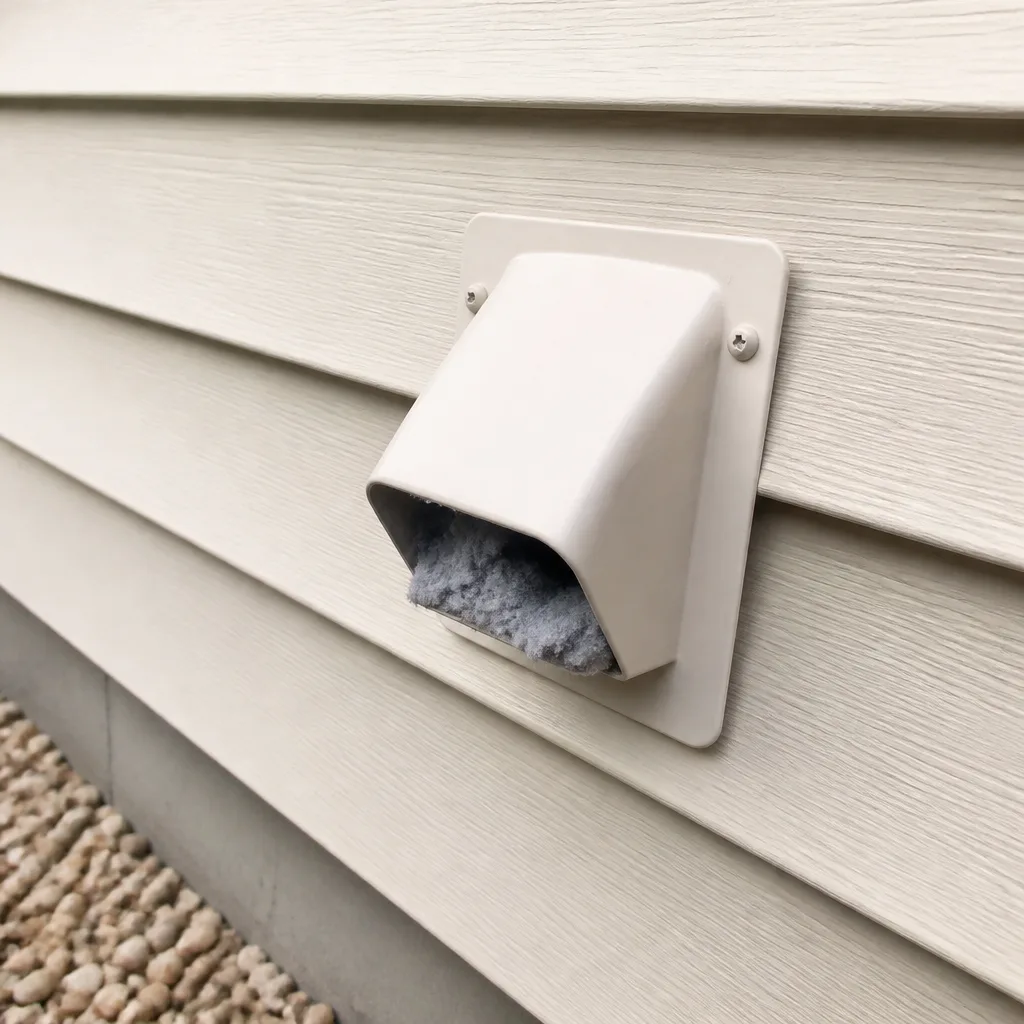
Encinitas gets most of its rainfall between December and March. Rain drives humidity up, and if your attic has any roof leak or condensation issue, that moisture interacts with duct insulation. During these months, check the duct insulation for any water staining or damp spots after heavy rain events. Also check the exterior vent terminations: rain can carry silt and debris onto vent screens, and if those screens are clogged, the dryer vent and any exterior combustion air intakes will underperform. For dryer vents specifically, a clogged exterior termination forces lint back into the duct run, which is a fire hazard that builds quietly.
April to June: June Gloom Humidity Peak
This is the season when Encinitas homes experience their highest indoor humidity, often without the homeowner realizing it because temperatures stay mild. The marine layer sits over the coast, and outdoor humidity stays above 75 percent for days at a time. Your HVAC system’s cooling coil is condensing water, and that water is drying off between cycles only if the system has adequate airflow. During these months, run the system in “fan on” mode for two hours each morning if you notice condensation on windows or a musty smell at startup. More importantly, check the condensate drain line. In coastal homes, the drain line can develop biological growth faster because of the constant humidity source. A slow-draining condensate pan means the air handler is sitting in a humid micro-environment, which accelerates corrosion and microbial growth on the coil and in the adjacent ductwork.
September to November: Santa Ana and Wildfire Season
Santa Ana winds blow dry, dust-laden air from the east through Encinitas canyons and across coastal neighborhoods. If there’s an active wildfire in San Diego County or Riverside County, fine ash can ride those winds for fifty miles or more. During Santa Ana events, check your exterior vents and the return grille more frequently. Fine ash is small enough to pass through a standard MERV 8 filter, which means it deposits inside your ductwork even with a clean filter in place. After a significant Santa Ana event or any period when you smell smoke indoors, consider a professional duct inspection rather than waiting for your next scheduled cleaning. For homes in Olivenhain and eastern Encinitas, which sit closer to open space and canyon corridors, the particulate load during Santa Ana season is measurably higher than beachside neighborhoods like Leucadia.
Year-Round Coastal Salt Exposure
Salt air doesn’t take a season off in Encinitas. Check metal duct hangers, plenum straps, and the air handler cabinet for rust spots during every seasonal inspection. Surface rust on a duct hanger is cosmetic; flaking rust that has compromised the metal’s structural integrity is a repair item. If you see rust streaks running down from a duct hanger or plenum connection, that’s evidence of condensation or moisture intrusion, not just cosmetic oxidation.
Filter Change Intervals Calibrated to MERV Rating and Coastal Load
The “change your filter every 90 days” rule is based on a MERV 8 fiberglass filter in a typical inland single-family home with no pets and no unusual particulate sources. Encinitas isn’t typical. Here’s what we actually recommend, calibrated to filter type and local conditions.
MERV 8 fiberglass filters: Check monthly and expect to replace every 30 to 45 days. These filters have low surface area and load up quickly with the fine dust and salt particulates common near the coast. A fiberglass filter that looks dirty at 30 days in Encinitas is the system doing its job.
MERV 11 pleated filters: Check monthly, replace every 60 days. Pleated filters hold more particulate before restricting airflow, but the coastal dust load still clogs them faster than manufacturer labels suggest. If you have pets or you live near a canyon where Santa Ana winds channel dust, replace closer to 45 days.
MERV 13 pleated filters: Check monthly, replace every 90 days maximum. These are the filters recommended for homes with allergy sufferers, and they capture more fine particulate including smoke and some airborne mold spores. The tradeoff is higher airflow restriction, so they need to be checked more frequently in Encinitas because the added restriction combined with coastal dust loading can starve the system of return air if the filter is even moderately loaded.
Here’s the key point most homeowners miss: the filter protects the equipment, not the ductwork. A filter’s job is to keep the blower wheel, coil, and heat exchanger clean. Particles small enough to pass through the filter deposit inside the ducts themselves over time, regardless of filter quality. A MERV 13 filter extends the time between cleanings by keeping more particulate out of the duct path, but it doesn’t eliminate duct loading entirely. In our experience with Encinitas homes, upgrading from MERV 8 to MERV 11 or 13 typically extends the professional cleaning interval from three years to four or five, but it doesn’t replace it.
Documenting Duct Condition with Your Phone Camera
The most useful maintenance habit we recommend is one most homeowners never think of: photograph your ducts. Not every duct, and not every month. Pick two reference points: the main return grille and one supply register in a bedroom or hallway. Use your phone camera, with the flash on, held at the same distance each time (twelve inches from the register face works well). Take two photos at each point: one of the register face, and one looking back into the duct opening with the flash illuminating the interior.
Do this every six months, in April and October, at the same registers. These photos become your baseline for duct condition. Here’s what to look for when you compare:
- Interior duct surface: Is the visible interior accumulating a dusty film that wasn’t there six months ago? A thin, uniform gray film on the duct wall nearest the register is normal. Dense, dark, or streaky buildup that appears to be growing thicker is cause for a professional look.
- Insulation condition: If you see any insulation fibers, moisture staining, or visual separation between layers, that’s a structural issue, not an air quality concern. Duct repair may be needed.
- Register discoloration pattern: Compare the streaking or smudging on the register face between photos. If the pattern is spreading or getting darker, the particle load inside the duct is increasing faster than normal.
- Debris inside the duct opening: Any visible debris larger than dust, like insect casings, pest droppings, or construction debris, should be documented and addressed. In Encinitas, we’ve found everything from rodent nests to drywall screws inside duct runs.
Why does this matter? Because most homeowners only look at their ducts when something has already gone wrong: musty smell, sagging ceiling, visible mold. By that point, the problem has been developing for months or years. A photo baseline gives you an objective comparison point so you’re not relying on memory or guesswork. It also gives a duct specialist something to work from before scheduling an inspection. In our experience, homeowners who document their ducts catch problems one to two years earlier than those who don’t, and early intervention usually means cleaning instead of repair.
Warning Signs That Mean Professional Attention
Homeowner maintenance has limits. Some duct conditions require equipment only a specialist can deploy: video inspection scopes, negative air machines, professional-grade rotary brush systems. Here are the specific warning signs that mean you should schedule a professional inspection in Encinitas rather than continuing to monitor.
Musty or stale odor at startup, especially on damp mornings
If you smell a musty, earthy odor when the system first kicks on, and it’s more noticeable on mornings when the marine layer is thick, that points to microbial growth inside the ductwork or on the evaporator coil. This is different from a dusty “heat-on” smell in fall. A musty odor that persists more than 30 seconds after startup and recurs daily is a professional trigger. Cleaning that involves antimicrobial treatment of the duct surfaces should be done with professional equipment and training, not a DIY spray.
Visible mold growth at registers or around the return grille
Any visible mold growth at a supply register, the return grille, or on the ceiling around these openings is a trigger for immediate professional attention. This is not a cleaning repair at this point; it’s a source identification problem. The mold you see at the register is normally growing from conditions upstream in the duct system or at the coil. Cleaning the register face does nothing to address the source.
Sagging flex duct with visible kinks or collapse
If you can see flex duct that sags more than one and a half inches per four-foot span, or if the duct is visibly kinked or twisted, airflow is restricted. This is an air duct repair item, not a cleaning item. In Encinitas attics, we regularly find flex duct that has collapsed from age, heat cycling, or poor original installation. A collapsed duct doesn’t get better with cleaning; it needs to be replaced or re-supported.
Uneven room temperatures that persist after balancing attempts
If one bedroom is consistently warmer in summer and cooler in winter, and you’ve already checked that the register damper is open and the filter is clean, the likely cause is a disconnected or partially collapsed duct branch serving that room. This is one of the most common findings in Encinitas homes with crawlspace or attic duct runs. The fix is a repair, not a cleaning, and it usually pays for itself in reduced energy consumption within a season or two.
Evidence of pest activity inside ductwork
Scratching sounds from the attic or walls when the system is off. Droppings visible at a register. A strong ammonia smell when the system runs. These point to rodents or other pests inside the ductwork. This is a health issue, not just an air quality issue, and it requires professional cleaning with containment equipment to prevent contaminated particulates from being distributed through the home during removal.
Post-wildfire ash accumulation
If you live in Encinitas and have experienced a Santa Ana wind event that carried wildfire smoke or ash into your neighborhood, treat the duct system as potentially contaminated. Fine ash penetrates filters, coats duct walls, and can carry volatile organic compounds that off-gas for months. Schedule a professional inspection and cleaning cycle rather than assuming your filter caught everything.
When Cleaning Alone Isn’t Enough: The Repair Factor
Here’s the part of duct maintenance most Encinitas homeowners never think about until it’s too late: cleaning a compromised duct system is wasted money. If the ducts have leaks, disconnections, collapsed sections, or deteriorated inner liners, cleaning the system will not make it perform better. The leaks will pull in attic or crawlspace air immediately after the cleaning is finished, re-contaminating the ductwork within weeks.
This is why Duct Cleaning Encinitas offers air duct repair alongside cleaning, rather than cleaning and referring out. We’ve inspected many Encinitas homes where previous cleaning companies did exactly that: cleaned the ducts, collected the check, and never mentioned the disconnected return branch or the collapsed flex run that made the cleaning pointless. A duct specialist who can both clean and repair in one visit saves the homeowner from paying for two separate service calls and from living with poor air quality between them.
The technical reality is simple: professional-grade cleaning equipment from Rotobrush and Nikro does an excellent job removing accumulated particulate from duct interiors. But if the duct system isn’t structurally sound when you finish, you’ve cleaned a leaky pipe. The cleaning investment only pays off if the system holds negative pressure and delivers conditioned air where it’s supposed to go. That’s the system-level view: air duct cleaning in Encinitas is most effective when it’s paired with a structural assessment of the ductwork itself.
Common Mistakes to Avoid
- Skipping the return side during DIY checks. Most homeowners check supply registers and never look at the return. In Encinitas homes, the return side is often the dirtiest part of the system because it pulls unfiltered attic or crawlspace air through gaps. Check the return first, every time.
- Using the wrong filter for the system’s static pressure. A MERV 13 filter in a system not designed for that restriction starves the blower and actually reduces air quality by forcing the system to pull air through gaps in the return duct instead of through the filter. Check your system’s blower speed and duct configuration before upgrading filter efficiency.
- Closing too many supply registers to balance temperatures. Closing registers raises static pressure and can make duct leaks worse, especially in older Encinitas homes with original ductwork. If you’re closing more than 10 percent of your registers to manage temperature, the problem is duct sizing or leakage, not register positions.
- Treating a musty odor with scented products or air fresheners. Air fresheners mask the smell while the underlying microbial growth continues. If you’re masking a musty odor, you’re delaying the professional assessment that identifies the source. The longer the delay, the more extensive the contamination becomes.
- Delaying post-wildfire duct inspection after Santa Ana events. Ash that sits in ductwork for months continues to off-gas and can react with humidity to form acidic compounds that corrode metal duct components. The marginal cost of an inspection early is far less than the cost of replacing corroded duct sections later.
When to Call a Professional
Some duct conditions are beyond the reach of even a diligent homeowner. If you’ve documented any of the warning signs above, or if your system hasn’t been professionally inspected in more than five years, schedule a professional assessment. In Encinitas, the most common professional triggers are post-Santa-Ana ash accumulation, musty odors that persist on marine layer mornings, visible flex duct sagging in the attic, and rodent evidence inside the ductwork. A professional inspection uses equipment a homeowner doesn’t have: video borescopes to see inside duct runs, negative air machines to contain particulate during cleaning, and professional-grade rotary brush systems like Rotobrush and Nikro that do physical work a shop-vac attachment cannot replicate. Duct Cleaning Encinitas offers free estimates in Encinitas. Call (866) 596-9358 to schedule a duct inspection and get a clear picture of what’s happening inside your system.
See the difference
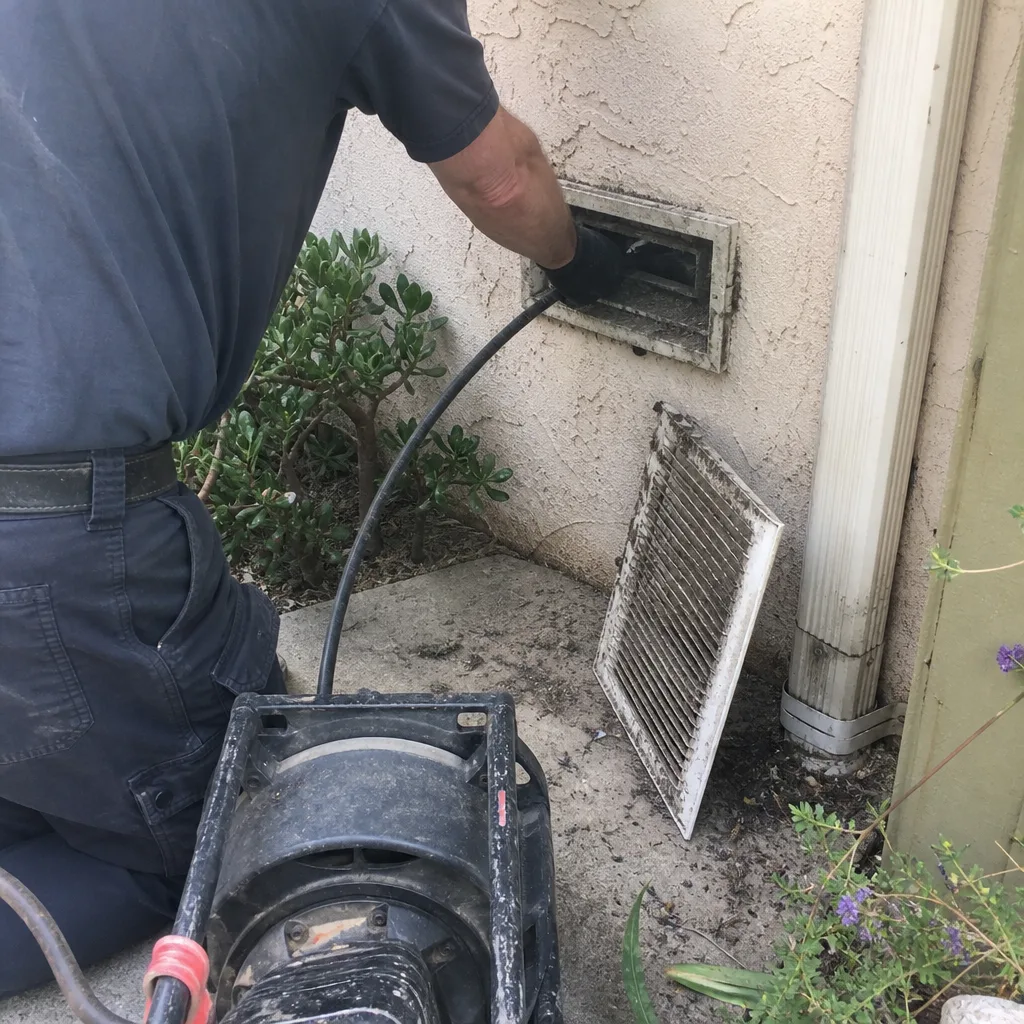 Before
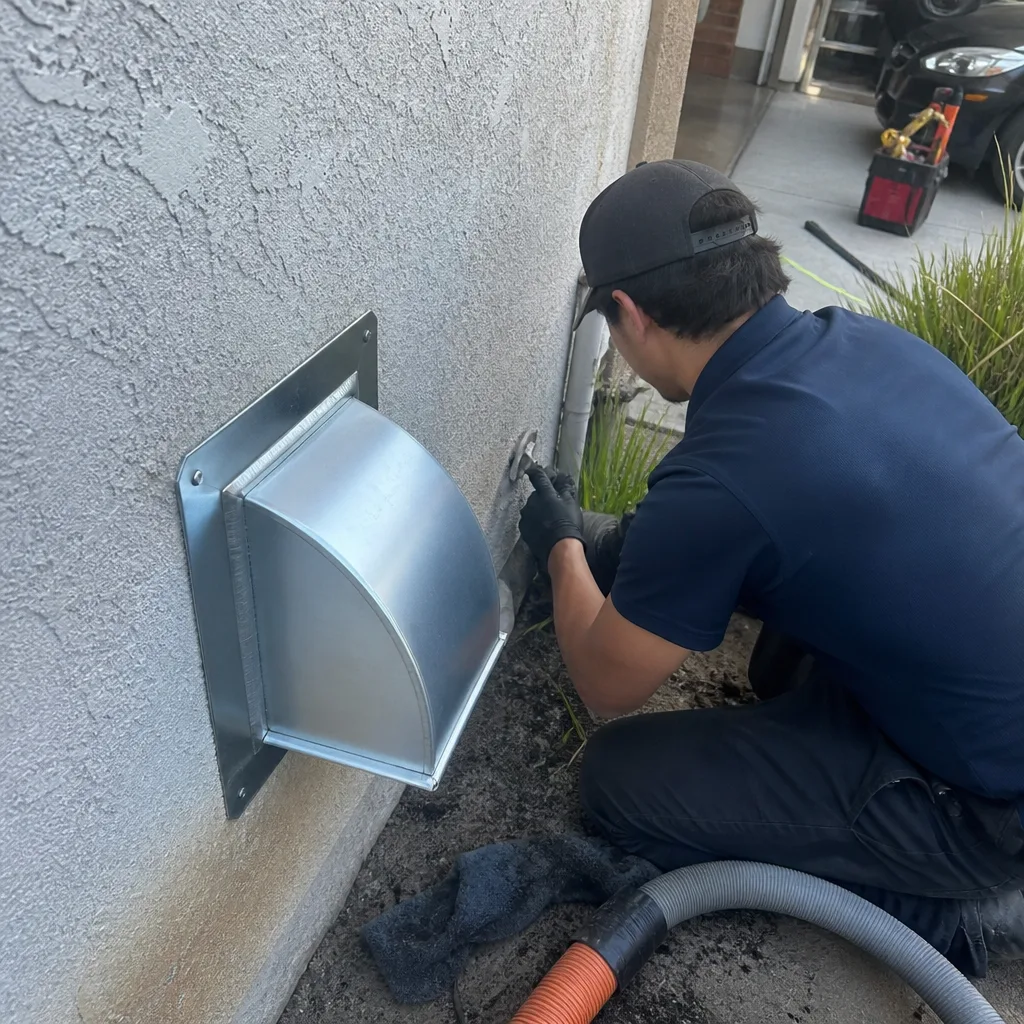 After
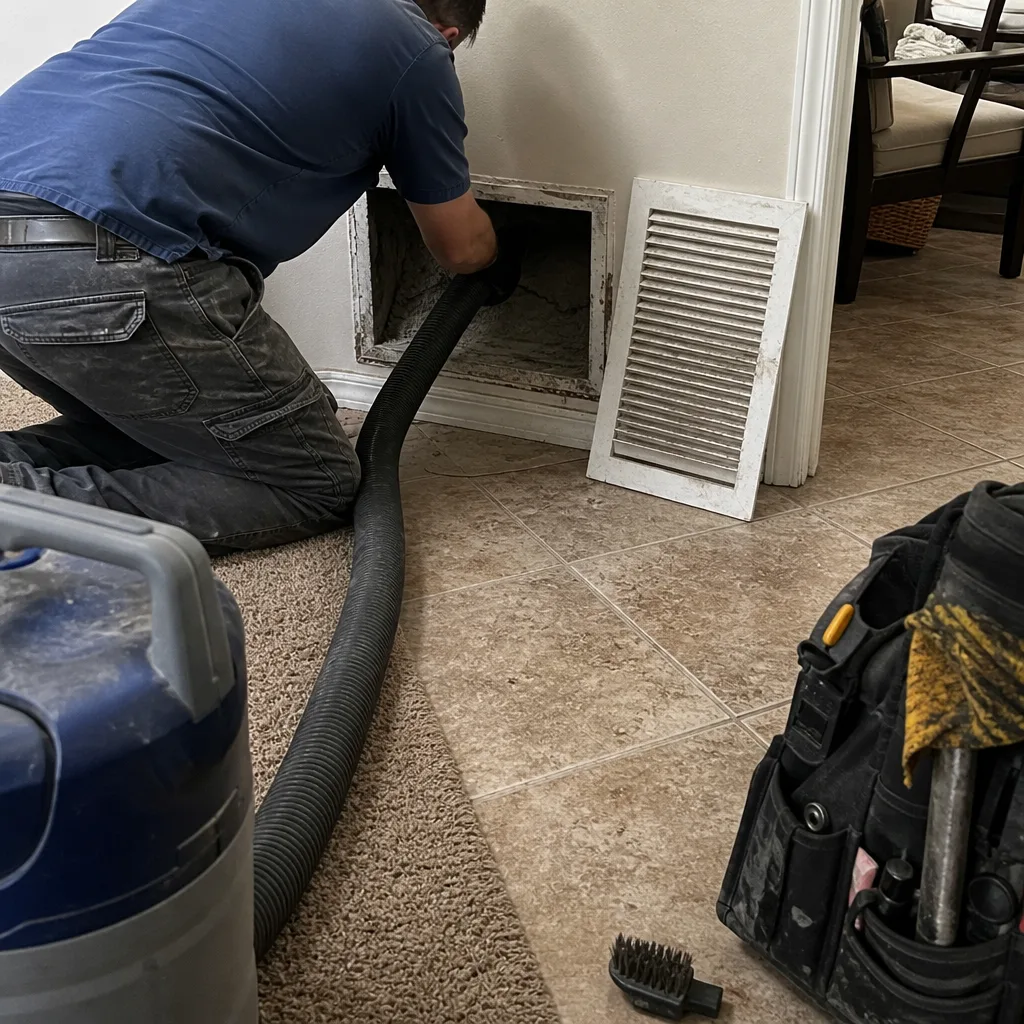 Before
 After
 Before
 After
Frequently Asked Questions
For most Encinitas homes, every 3 to 5 years is the right professional cleaning interval, calibrated to your filter type, pet load, and proximity to canyon or wildfire corridors. Homes with MERV 13 filters, no pets, and no unusual dust sources can go 5 years. Homes with fiberglass filters, multiple pets, or exposure to Santa Ana dust events should plan on 3 years. After a significant wildfire smoke event, schedule an inspection regardless of elapsed time.
Cheap duct cleaning quotes usually mean one of two things: the company is using consumer-grade equipment (a large shop vac attached to a register) or the price is a teaser for a high-pressure upsell once the technician is inside the home. Professional-grade systems from brands like Rotobrush and Nikro cost tens of thousands of dollars and require trained operators. Ask any quote what equipment they use and whether the price includes all registers, the return plenum, the trunk line, and the air handler. If they can’t answer equipment questions precisely, the quote is probably not comparable.
Ask for before-and-after photos of the same duct locations, taken with a borescope or high-resolution camera, not just a photo of dirty equipment. A professional company will document the interior condition at the start and end of the job at multiple points in the system. At Duct Cleaning Encinitas, we photograph the return plenum, the air handler, and representative supply branches, because the return side and the air handler are where the real work happens. Honest work comes with visual documentation.
It’s real, and it’s measurable. June Gloom brings 70 to 80 percent relative humidity to Encinitas for weeks at a time. Your air handler’s cooling coil is condensing water, and any dust inside the ductwork near the coil absorbs that moisture and becomes a substrate for microbial growth. If your system sits unused during mild coastal spring weather, that growth develops unchecked. The musty smell many Encinitas homeowners notice on startup in May and June is the result of this coastal humidity cycle.
No. A shop vac cannot generate the negative pressure or airflow velocity needed to dislodge and extract particulate from the full duct system, and it cannot reach the depths of trunk lines and branch ducts. Worse, DIY cleaning can dislodge contaminants and disperse them throughout the home if proper containment isn’t used. Professional duct cleaning uses negative air machines and HEPA filtration from manufacturers like Abatement Technologies specifically to capture what gets dislodged, not just push it around.
What’s the difference between duct cleaning and air duct repair?
Duct cleaning removes accumulated particulate from the interior surfaces of the duct system. Duct repair fixes structural problems: disconnected branches, collapsed flex runs, deteriorated inner liners, leaking plenum connections, and damaged insulation. You need both for a system to work properly. A cleaning on a leaky system is wasted money, and a repair on a dirty system leaves contaminants in place. That’s why dryer vent cleaning and air duct services are best handled by a specialist who treats the system as a connected whole, not a set of isolated tasks.
The Bottom Line
Effective duct maintenance in Encinitas is a year-round, system-level discipline, not an occasional cleaning appointment. It means monthly register and return checks, filter changes calibrated to your specific MERV rating and coastal particulate load, seasonal inspections tied to Santa Ana and June Gloom patterns, and phone-camera documentation that lets you track changes over time. It also means recognizing when a cleaning alone won’t solve the problem and a structural repair is needed. That’s the difference between maintaining a system and just cleaning surfaces. For Encinitas homeowners who want to take the guesswork out of duct maintenance, a professional assessment is the fastest way to establish your system’s baseline condition and build a realistic maintenance schedule around it.
For a free duct inspection estimate in Encinitas, call Duct Cleaning Encinitas at (866) 596-9358. We bring professional-grade equipment, clear documentation, and the ability to repair what we find, not just clean what we can reach.
Written by the team at Duct Cleaning Encinitas, serving Encinitas since 2017.